Planning meals around pantry staples is a smart way to save time, reduce grocery bills, and minimize food waste. Whether you’re aiming to stretch your budget or simply want quick meal ideas, your pantry can be a treasure trove of ingredients waiting to be transformed into delicious dishes. In this post, we’ll guide you through the process of planning meals using the items you likely already have at home.
Why Use Pantry Staples for Meal Planning?
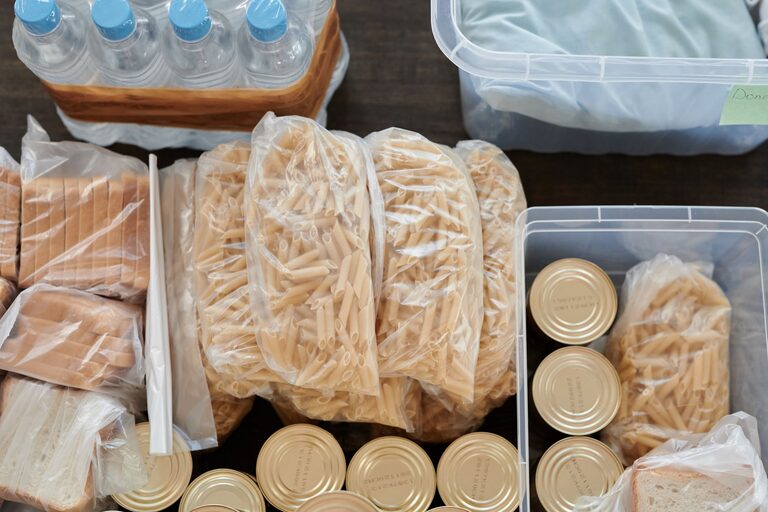
Pantry staples are non-perishable ingredients that can be stored for long periods without spoiling. Common examples include canned goods, dried grains, pasta, beans, spices, and cooking oils. By focusing on these staples, you can:
– Cook meals even when fresh groceries are unavailable
– Reduce trips to the store, saving time
– Create versatile dishes with minimal ingredients
– Minimize food waste by using what you already have
Step 1: Inventory Your Pantry
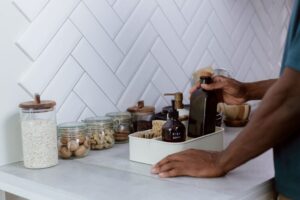
Before you start planning, take a few minutes to assess your pantry contents. Knowing exactly what you have will help you avoid buying duplicates and inspire meal ideas.
How to Conduct a Pantry Inventory
– Remove items from shelves to see everything clearly
– Check expiration dates and discard any expired products
– Group similar items together (canned beans, pasta, baking supplies)
– Make a list of your key ingredients
Step 2: Identify Your Meal Base Ingredients
Most meals begin with a base, such as grains, pasta, or legumes. Look for staples like:
– Rice (white, brown, or instant)
– Pasta or noodles
– Canned or dried beans and lentils
– Quinoa, barley, or couscous
Having a variety of base ingredients will allow you to create diverse meals.
Step 3: Choose Complementary Ingredients
After selecting a base, think about flavors and textures you want to add. Pantry staples like:
– Canned tomatoes or tomato sauce
– Broth or stock cubes
– Coconut milk cans
– Various canned vegetables (corn, mushrooms, artichokes)
– Spices and herbs (paprika, cumin, oregano, chili powder)
– Nuts, seeds, or dried fruits for texture
These items add complexity and depth to simple dishes.
Step 4: Consider Protein Sources
If you keep protein staples in your pantry, incorporate them for balanced meals. Examples include:
– Canned fish (tuna, salmon, sardines)
– Canned beans and lentils
– Nut butters
– Shelf-stable tofu or plant-based protein powders
Step 5: Plan Your Meals
Now that you know what’s in your pantry, start creating meal ideas. Here are strategies to get you started:
1. Use a Meal Template
Creating a basic formula can simplify planning. For example:
Base + Protein + Veggies + Sauce/Seasoning = Meal
Example: rice + black beans + canned corn + salsa
2. Mix and Match Ingredients
Experiment by pairing different pantry goods. Example combinations:
– Pasta + canned tomatoes + tuna + Italian herbs
– Lentil stew with canned coconut milk and curry spices
– Rice bowl with peanut sauce, canned vegetables, and crushed peanuts
3. Rotate Favorites and Try New Recipes
Stick with meals you know you enjoy but also test new ones to keep things interesting.
Step 6: Supplement with Fresh Ingredients as Needed
While pantry staples form the core of your meals, adding fresh items like onions, garlic, fresh herbs, or seasonal vegetables can elevate the dishes. Keep these extras on hand to enhance flavors.
Step 7: Write a Shopping List for Restocking
After planning, note what pantry staples you need to replenish or add to expand your options for future meals. Consider:
– Different beans or grains
– Variety of canned goods
– Fresh herbs to freeze
– Basic spices you’re running low on
Sample Meal Ideas Using Pantry Staples
To inspire your planning, here are a few easy recipes using pantry basics:
1. Chickpea Curry
– Canned chickpeas
– Coconut milk
– Curry powder
– Canned tomatoes
– Rice
Simmer chickpeas, tomatoes, coconut milk, and curry powder to make a flavorful curry served over rice.
2. Tuna Pasta Salad
– Pasta
– Canned tuna
– Olive oil
– Canned corn
– Lemon juice or vinegar
– Dried herbs
Cook pasta, mix with tuna and corn, toss with olive oil, lemon, and herbs.
3. Lentil Soup
– Dried or canned lentils
– Vegetable broth or water with stock cubes
– Canned diced tomatoes
– Onion and garlic (optional)
– Spices like cumin and paprika
Cook lentils with broth, tomatoes, and spices until tender.
Tips for Success
– Organize your pantry so ingredients are easy to find.
– Label containers with purchase or expiry dates.
– Batch cook and freeze meals made from pantry staples for busy days.
– Keep a recipe journal with meals you create to reuse or adapt later.
– Adjust seasonings to suit your taste—spices can transform simple staples.
Conclusion
Meal planning with pantry staples is a practical approach that can take the stress out of deciding what’s for dinner. By knowing your pantry contents, combining ingredients creatively, and supplementing with fresh foods when possible, you can make hearty, satisfying meals on a regular basis. Start your pantry meal adventure today and enjoy the convenience and satisfaction that comes from cooking with what you already have.
Happy cooking!