
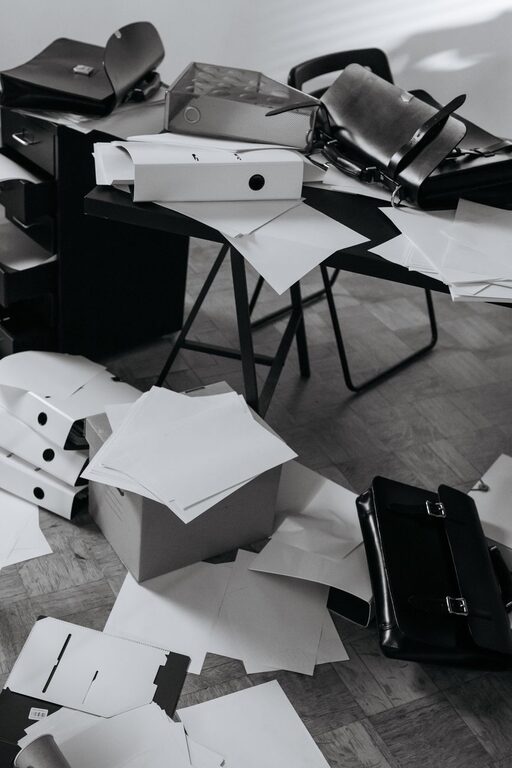
Paper clutter is a common challenge in many households. From bills and receipts to mail and children’s artwork, paper tends to accumulate quickly, creating a messy and overwhelming environment. Fortunately, reducing paper clutter doesn’t require major effort or expensive tools. With a few simple strategies, you can regain control over your space and enjoy a cleaner, more organized home.
In this post, we’ll explore practical ways to tackle household paper clutter, helping you save time, reduce stress, and create a more efficient living space.
Why Reducing Paper Clutter Matters
Before diving into the tips, it’s helpful to understand why managing paper clutter is important. Excess paper can:
– Cause stress and distraction
– Make it difficult to find important documents
– Take up valuable space on counters, desks, and tables
– Lead to missed bills or deadlines
By cutting down on paper clutter, you create a more peaceful environment and streamline your daily routines.
Start With a Paper Decluttering Session
The first step is to gather all the paper in one place. This might include mail, school papers, receipts, old magazines, and documents from drawers or tables. Once collected, sort through the pile using these categories:
– Keep: Important documents such as tax records, warranties, medical information, and active bills.
– Digitize: Papers you want to keep but don’t need physical copies of.
– Shred or Recycle: Junk mail, expired coupons, and outdated documents.
Use a shredder for sensitive information and recycle the rest. This sorting process helps you see what’s truly necessary and what can be discarded.
Create a Simple Filing System
Organizing the papers you keep is essential. Keep your filing system straightforward to avoid overwhelming yourself.
Recommended categories include:
– Bills and receipts
– Personal documents (IDs, birth certificates, insurance)
– Medical records
– Manuals and warranties
– Important school or work papers
Use labeled folders or an accordion file to keep these papers accessible and neat. Remember to review and update your files regularly to prevent buildup.
Go Digital Where Possible
One of the best ways to reduce paper clutter is to switch to digital documents.
– Opt for e-statements: Most banks, utilities, and service providers allow you to receive bills and statements electronically.
– Scan important papers: Use a smartphone app or scanner to save digital copies of documents. Many apps also offer organization features to categorize and search your files easily.
– Store files safely: Back up your digital files on a cloud service or external hard drive to avoid losing important information.
Going digital reduces paper piles and ensures you can quickly find documents when needed.
Set Up a Mail Management Routine
Mail is often the largest source of paper clutter. Establishing a routine can keep it under control.
– Sort immediately: When you bring in mail, sort it straight away into categories: trash, action needed, file, or read later.
– Use a designated mail station: Have a simple tray or basket where incoming mail goes. Check it daily to prevent accumulation.
– Unsubscribe from junk mail: Many services allow you to reduce unsolicited mail by registering your address or opting out of offers.
This habit will prevent mail from piling up and overwhelming your counters or desks.
Use Paper Efficiently and Avoid Creating Unnecessary Paper
Being mindful of your paper use can help prevent future clutter.
– Print only when necessary: Double-check if you really need a hard copy before printing.
– Use both sides: If printing is necessary, use double-sided printing to reduce paper consumption.
– Reuse scrap paper: Use the blank side of used paper for notes or lists.
Taking these small steps can make a significant impact over time.
Establish a Paper Control Zone
Designate a specific area in your home for paper-related tasks. This might be a desk, drawer, or shelf where you handle bills, paperwork, and organization.
– Keep supplies like pens, stamps, envelopes, and a shredder nearby.
– Make it your habit to deal with papers in this zone, preventing them from spreading throughout the home.
Having a dedicated spot encourages consistency and keeps paper contained.
Regular Maintenance Is Key
Reducing paper clutter isn’t a one-time job. Make it part of your routine:
– Spend 10–15 minutes weekly sorting mail and papers.
– File new documents immediately.
– Reassess your filing system every few months and purge unneeded papers.
A little maintenance regularly prevents clutter from becoming overwhelming again.
Bonus Tip: Involve Your Family
Paper clutter often comes from different family members. Encourage everyone to:
– Handle their mail or documents promptly.
– Follow the household system for sorting and filing papers.
– Limit unnecessary printing and paper use.
When the whole household is on board, it’s easier to maintain an organized environment.
—
By implementing these simple strategies, reducing household paper clutter becomes manageable and effective. You’ll enjoy a more orderly space and have peace of mind knowing important documents are safe and easy to find. Start small, stay consistent, and watch the paper piles disappear!