
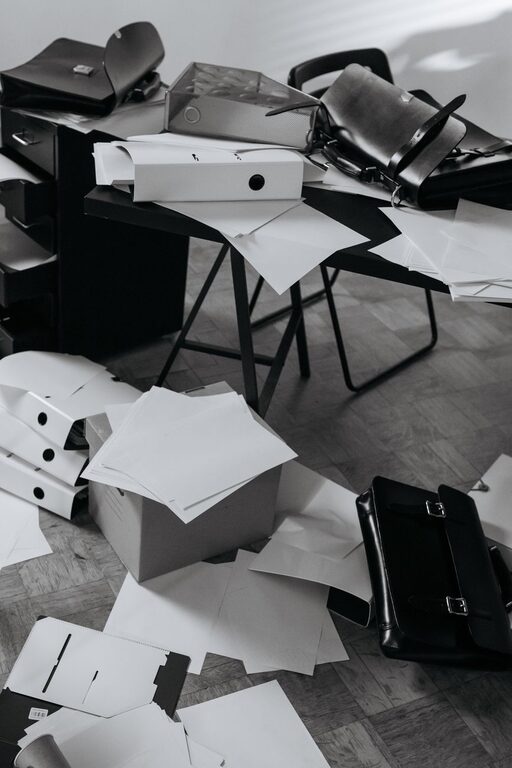
Paper clutter is a common issue in many households. Bills, mail, receipts, manuals, and school papers can quickly pile up, making your space feel messy and overwhelming. Fortunately, reducing paper clutter doesn’t require a complete overhaul of your lifestyle. With a few simple steps, you can keep your home organized and your mind clear.
Why Reducing Paper Clutter Matters
Too much paper lying around can cause stress and make it hard to find important documents when you need them. Clearing out excess paper helps improve your home’s appearance and boosts efficiency by making essential items easier to locate.
Easy Steps to Cut Down Paper Clutter
1. Go Digital Whenever Possible
One of the most effective ways to reduce paper clutter is to switch to digital documents:
– Opt for E-statements: Many banks, credit card companies, and utilities offer statements online. Sign up to receive electronic versions instead of paper copies.
– Use Apps for Bills and Receipts: Apps like Evernote, Google Drive, or dedicated receipt-tracking apps can store digital copies, reducing the need to keep physical receipts.
– Scan Important Documents: Use a scanner or your phone’s camera to digitize crucial papers like warranties, tax forms, and medical records.
2. Set Up a Paper Management System
Designate a specific area and system for handling incoming paper:
– Create a Mail Station: Have a spot near where mail comes in with containers labeled “To Do,” “To File,” and “To Shred.”
– Sort Immediately: Avoid stacking unopened mail and papers by sorting them on arrival. Toss junk mail right away.
– Schedule Weekly Reviews: Spend 10–15 minutes each week reviewing, filing, or discarding accumulated papers.
3. Use Filing Solutions
Having an organized filing system helps keep papers out of sight but easily accessible:
– Invest in a Filing Cabinet or Box: Choose one that fits your space and label folders clearly.
– Keep Only What’s Necessary: Sort papers into categories like bills, warranties, school documents, and personal records.
– Purge Regularly: Remove outdated or unnecessary documents every few months.
4. Minimize Incoming Paper
Cutting down on new paper reduces future clutter:
– Unsubscribe from Unwanted Mail: Use services like DMAchoice to stop junk mail and catalogs.
– Request Paperless Options: Ask companies to send electronic bills and statements for all accounts.
– Be Selective with Flyers and Coupons: Only accept what you intend to use.
5. Use Binder Systems for Kids’ Schoolwork
School papers can accumulate fast but are often sentimental or important:
– Designate a Binder or Folder for Each Child: Store current assignments, artwork, and notes here.
– Archive or Photograph: For keepsakes, photograph or scan artwork and recycle the physical copies.
– Set a Limit: Keep only a certain number of papers per season or semester.
6. Create a Shredding Habit
Old documents with personal information should be shredded to protect your privacy:
– Keep a Small Shredder Handy: Place near your mail sorting station.
– Shred Regularly: Make shredding part of your weekly paper management routine.
7. Repurpose or Recycle Wisely
Before throwing paper away, consider other options:
– Reuse for Notes and Lists: Use the blank side of printed documents for grocery lists or reminders.
– Recycle Correctly: Check local recycling guidelines to ensure paper is disposed of properly.
Maintaining a Clutter-Free Paper Environment
Consistency is key to lasting change. Here are a few habits to help maintain your system:
– Set Reminders: Use your phone or calendar to remind you to sort and file papers weekly.
– Involve the Household: Teach family members where to put their papers.
– Use Minimal Storage: Limit the space allocated for papers to force regular purging.
– Review Your System: Every few months, assess what’s working and adjust as needed.
Conclusion
Reducing household paper clutter doesn’t have to be overwhelming. By embracing digital alternatives, setting up a simple paper management system, and developing good habits, you can keep your home tidy and stress-free. Start with small changes and enjoy the benefits of a clutter-free space.
—
With these simple strategies in place, your paper clutter will become manageable, and your home will feel more organized and peaceful. Happy decluttering!